
The Essential Roadmap to Choosing the Right Dental Specialist
Navigating the world of oral healthcare can often feel like wandering through a maze without a map. Most people grow up with the idea that a single practitioner handles everything from a simple cleaning to a complex surgery. However, as medical technology has advanced, the field of dentistry has branched into numerous specialized disciplines. Choosing the right professional is no longer just about finding the nearest office; it is about matching your specific biological needs, aesthetic goals, and even your age bracket with a professional who possesses the exact training required for your case.
This comprehensive guide serves as your roadmap. We will explore when to seek a specialist, what questions to ask during a consultation, and how to coordinate care across offices to ensure your smile remains both functional and beautiful for a lifetime. By the end of this article, you will have the tools to vet providers effectively and build a dental team that supports your long-term wellness.
Understanding the Foundation of Your Oral Health Team
The first step in any healthcare journey is establishing a home base. For the vast majority of people, this begins with a general practitioner who oversees the broad spectrum of oral hygiene and preventative care. This individual serves as the “quarterback” of your dental team, identifying issues before they become crises and coordinating with other experts when a case exceeds the scope of general practice.
When looking for a primary dentist, you should prioritize a provider who emphasizes comprehensive examinations. This includes not just looking for cavities, but screening for oral cancer, checking the health of your jaw joints, and monitoring gum recession. A high-quality practitioner will use digital imaging to show you exactly what they see, helping you understand the “why” behind their recommendations.
What to look for in a primary provider:
- Preventative Philosophy: Do they focus on stopping problems before they start, or are they purely reactive?
- Advanced Diagnostics: Look for offices that utilize intraoral cameras and digital X-rays to minimize radiation and maximize clarity.
- Clear Communication: You should never feel rushed. A great provider explains every procedure in plain language.
Establishing this relationship is critical because, should you ever need more complex work, you will need a trusted professional to provide a referral to a specialist who shares their clinical standards.
Specialized Care for the Smallest Smiles
The developmental needs of children differ significantly from those of adults. Many parents wonder when the right time is to seek professional help for their infants. Early intervention is not just about cleaning teeth; it is about monitoring jaw growth and ensuring that speech development and nutrition are not hindered by oral issues.
Focusing on infant dentistry is a proactive way to desensitize a child to the clinical environment. These early visits, often called “happy visits,” are designed to be low-stress and educational for the parent. They cover topics such as thumb-sucking habits, the effects of bottle-feeding, and the proper way to clean new primary teeth.
As the child grows, their needs become more complex. Transitioning to a dedicated pediatric dentist is often the best choice for children who may be anxious or have unique developmental hurdles. These specialists undergo two to three years of additional training beyond dental school, specifically focusing on child psychology and the management of developing orofacial structures.
Actionable tips for children’s dental health:
- The Age One Rule: Schedule the first visit by the first birthday or within six months of the first tooth appearing.
- Environment Matters: Choose a specialist whose office is designed for kids, featuring smaller equipment and a welcoming, playful atmosphere.
- Behavioral Expertise: Ensure the provider is skilled in “Tell-Show-Do” techniques to build trust with the child.

Correcting Alignment for Health and Aesthetics
Once the permanent teeth begin to emerge, the focus often shifts toward alignment. Crooked teeth are not just a cosmetic concern; they can cause uneven wear, jaw pain, and increased difficulty maintaining hygiene, which can lead to decay. When you notice crowding or gaps, it is time to consult an orthodontist. These specialists focus exclusively on tooth movement and the guidance of facial development.
Modern technology has provided more options than ever for moving teeth. For those who want a discreet option, clear aligner therapy has become a gold standard. Using a system like Invisalign allows patients to straighten their teeth without the dietary restrictions or “metal mouth” appearance associated with traditional methods. These clear trays are removable, making it much easier to brush and floss effectively throughout the treatment.
However, aligners aren’t always the right fit for complex bite corrections or structural jaw issues. In many cases, traditional braces remain the most efficient and powerful option available. Modern versions are far more comfortable and low-profile than those used decades ago, using heat-activated wires that move teeth more gently and consistently.
Considerations for alignment therapy:
- Compliance Check: Are you or your child disciplined enough to wear removable trays for 22 hours a day? If not, fixed appliances may be better.
- The Bite over the Smile: Ensure your provider focuses on how your teeth fit together (the occlusal relationship), not just how straight they look in the front.
- Retention is Key: Always ask about the post-treatment plan. Teeth have “memory” and will shift back without a properly fitted retainer.
Restoring Function Through Surgical Expertise
There are times when preventative care and alignment aren’t enough, particularly when a tooth is severely damaged by trauma or deep decay. In these instances, surgical intervention may be required to protect the rest of the mouth. When a tooth is deemed non-restorable, a specialist will perform tooth extractions to prevent infection from spreading to the jawbone or neighboring teeth.
The loss of a tooth can be a significant emotional and physical blow, affecting your ability to chew and even the shape of your face. This is where restorative technology has made its greatest leaps. The modern standard for tooth replacement is dental implants. Unlike bridges, which require the grinding down of healthy adjacent teeth, these are titanium posts that act as artificial tooth roots. They integrate directly with the bone, providing a permanent, stable foundation for a custom-made crown.
Navigating the surgical process:
- Bone Density Assessment: Ask your specialist whether you have sufficient bone volume to support a titanium post, or whether a bone graft is necessary first.
- Sedation Options: For surgical procedures, discuss whether local anesthesia, nitrous oxide, or IV sedation is most appropriate for your comfort level.
- Healing Timelines: Understand that permanent tooth replacement is often a multi-month process that requires patience for the best results.
Enhancing Your Smile’s Visual Appeal
Once your mouth is healthy and functional, you might find yourself wanting to address the “vibrancy” of your smile. This falls under the umbrella of aesthetic dentistry. While many general offices offer whitening, a dedicated cosmetic dentist focuses on the artistry of the smile. They consider facial symmetry, skin tone, and lip line to create restorations that look completely natural.
Aesthetic specialists utilize a variety of tools, including porcelain veneers, bonding, and gum contouring. The goal is to create a “smile design” that feels authentic to the patient’s personality. When choosing a provider for this work, it is vital to review their portfolio of past cases. You want to see a range of results that show they can customize their work rather than producing a “one-size-fits-all” look.
Tips for selecting an aesthetic specialist:
- The Mock-Up: Request a “wax-up” or digital preview of your new smile before any permanent changes are made.
- Material Quality: Inquire about the type of porcelain used. High-end ceramics mimic the light-reflecting properties of natural enamel much better than cheaper alternatives.
- Longevity Education: A good specialist will tell you exactly how to care for your veneers or bonding to ensure they last 10 to 15 years.
Managing Sudden Dental Crises
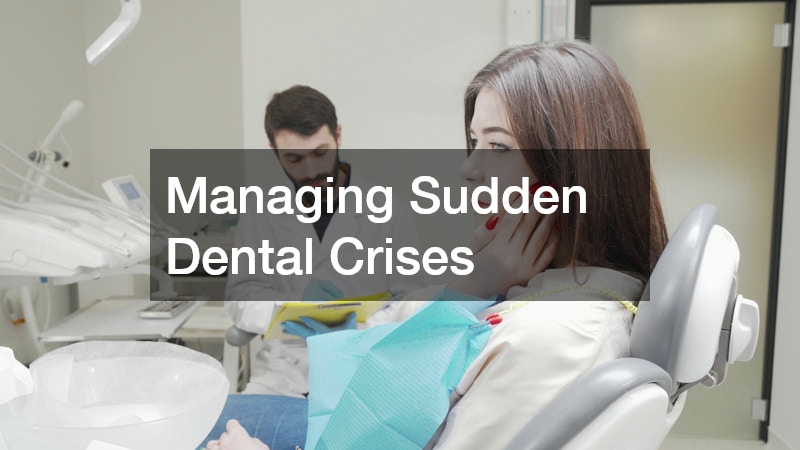
No matter how well you plan, accidents happen. A knocked-out tooth during a sports game, a cracked crown on a weekend, or a sudden, throbbing abscess requires immediate attention. In these moments, you don’t just need a regular appointment; you need an emergency dentist. Many practices reserve time in their daily schedules specifically for urgent cases, but it is wise to know which local offices prioritize same-day care before you actually need it.
Knowing how to handle a crisis in the first 60 minutes can be the difference between saving and losing a tooth. For example, if a tooth is knocked out, keeping it moist in milk or a specialized preservation solution while racing to the clinic is essential.
Preparation for the unexpected:
- After-Hours Protocol: Does your current office have an emergency line or a partnership with a 24-hour clinic?
- First Aid Kit: Keep a small dental kit in your car or home containing gauze, temporary filling material, and saline.
- Triage Skills: Learn to identify a true emergency (uncontrolled bleeding, swelling that affects breathing, or a loose permanent tooth) versus a non-emergency (a lost filling that isn’t causing pain).
Vetting Technology and Office Culture
Beyond the specific titles and specialties, the office environment and the technology they use play a massive role in your experience. Dentistry has evolved from a “drill and fill” industry into a high-tech medical field. When you visit a new office, take note of the equipment. Are they using 3D cone-beam computed tomography (CBCT) for planning surgeries? Do they use lasers for gum treatments to minimize bleeding and healing time?
Furthermore, the office culture should align with your needs. If you are someone who struggles with anxiety, an office that offers “spa-like” amenities—such as noise-canceling headphones, weighted blankets, and aromatherapy—might be more than just a luxury; it might be the key to you actually showing up for your appointments.
Critical office evaluation checklist:
- Sterilization Standards: While you won’t see the back room, a clean, organized operatory is a good sign of overall clinical discipline.
- Staff Longevity: High turnover in the front office or among hygienists can sometimes indicate a chaotic management style that affects patient care.
- Transparent Billing: You should receive a detailed treatment plan with estimated insurance coverage and out-of-pocket costs before any work begins.

The Importance of Collaborative Care
The most complex dental cases often require a “multidisciplinary” approach. This means that your various specialists must talk to one another. For instance, if you are getting a replacement tooth, the surgeon who places the post and the doctor who creates the crown must be in total agreement on the positioning and the final look.
If your providers are in different locations, you should be the bridge that ensures information is flowing. Don’t be afraid to ask, “Have you sent my 3D scans over to the other office yet?” or “Does my surgeon know that my aesthetic doctor wants the gum line to be at this specific height?” The best specialists welcome this collaboration because they know it leads to the most predictable and successful outcomes.
How to facilitate better coordination:
- Digital Records: Ask for copies of your X-rays and records to be sent to your personal email so you can share them easily.
- The Treatment Roadmap: Ask for a written timeline of who does what and when. This keeps everyone accountable.
- Consolidated Consultations: In some cases, you can request that your specialists have a brief phone consult while you are in the office to finalize a plan.
Financial Planning for Specialized Care
Let’s be honest: specialized dental work is an investment. While insurance covers a significant portion of preventive care, procedures like high-end aesthetic work or advanced surgical replacements often involve substantial out-of-pocket costs. Choosing the “right” specialist also means choosing someone who fits your financial reality or offers flexible payment options.
Many top-tier specialists offer third-party financing options, such as CareCredit, or in-house membership plans for those without traditional insurance. When comparing specialists, don’t automatically go with the cheapest option. In dentistry, you often pay for the quality of materials and the level of the doctor’s expertise. Re-doing a failed procedure is always more expensive than doing it correctly the first time.
Money-saving strategies for dental work:
- HSA/FSA Utilization: Use pre-tax dollars for specialized treatments to effectively get a “discount” through tax savings.
- Phased Treatment: Ask your doctor if a large plan can be broken into phases over two calendar years to maximize your annual insurance maximums.
- In-Network vs. Out-of-Network: Understand that some world-class specialists do not “participate” with insurance directly because it allows them more time and higher-quality materials for each patient. Decide if the extra cost is worth the expertise.

Making the Final Decision
Choosing a specialist is a personal decision that balances clinical need with personal comfort. After you have done your research, checked reviews, and attended a consultation, trust your gut. Did the office feel professional? Did the doctor answer your questions without condescension? Did you feel like a patient or just a number on a ledger?
The right dental specialist is someone who views themselves as a partner in your health. They should be interested in your long-term goals—whether that’s being able to eat steak without pain, feeling confident in a wedding photo, or ensuring your child grows up without a fear of the chair. By following this roadmap, you move from being a passive recipient of care to an informed advocate for your own smile.
Take the time to thoroughly vet your providers. Your mouth is the gateway to your overall health, and the people you choose to care for it will have a lasting impact on your quality of life. Whether you are looking for a routine checkup or a total smile transformation, the right expertise is out there.
What is your next move?
- If you haven’t had a cleaning in six months, start by finding a highly-rated general practitioner.
- If you have a specific concern (such as a missing tooth or a crooked smile), schedule two consultations with different specialists to compare their approaches.
- If you are a parent, look for a pediatric office and take a tour before your child’s first visit.
Your journey to a brighter, healthier smile starts with a single, well-informed choice. Use this roadmap to navigate the options, ask the hard questions, and settle for nothing less than the best care for you and your family.