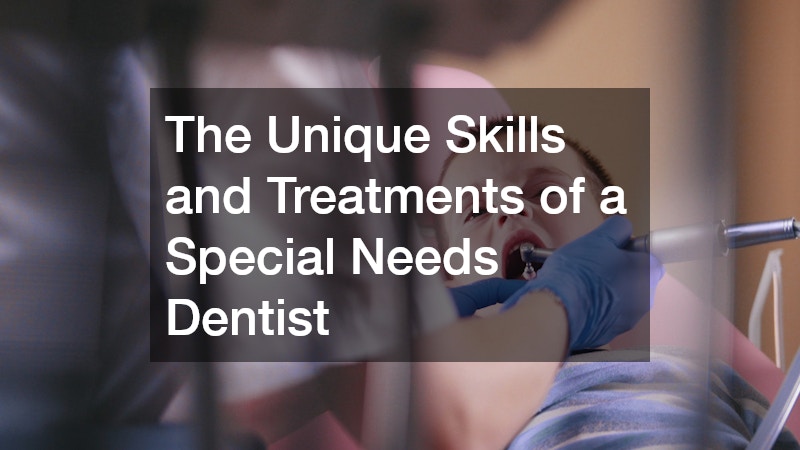
Oral health is an essential part of overall well-being, yet many individuals face barriers that make traditional dental care challenging. A special needs dentist is trained to provide compassionate, personalized dental services for patients with physical, developmental, cognitive, sensory, or emotional conditions. These professionals understand that every patient is unique and requires an approach tailored to their specific abilities, comfort levels, and medical history.
Patients who may benefit from this type of care include children and adults with autism spectrum disorder, Down syndrome, cerebral palsy, sensory processing disorders, traumatic brain injuries, mobility limitations, or complex medical conditions. The goal is not only to deliver effective dental treatment but also to create a safe and supportive environment that builds trust over time.
Specialized Training and Clinical Expertise
Advanced Education and Behavioral Techniques
A special needs dentist completes additional training beyond dental school to better understand how to treat patients with diverse health challenges. This training often includes behavior guidance techniques, sedation protocols, and strategies for treating patients who may have difficulty communicating or sitting still for extended periods.
Behavior management is a core skill. Dentists in this field learn how to recognize signs of anxiety, sensory overload, or discomfort and adapt their communication style accordingly. Techniques such as tell-show-do, desensitization visits, visual aids, and positive reinforcement are frequently used to ease fear and build familiarity.
Knowledge of Complex Medical Conditions
Many patients with special needs have underlying medical conditions that require careful coordination with physicians and caregivers. A special needs dentist must understand how systemic health issues, medications, and physical limitations impact oral care. For example, certain medications can cause dry mouth, gum overgrowth, or increased cavity risk. Mobility limitations may affect daily brushing and flossing routines.
This comprehensive understanding allows the dentist to develop preventive strategies that address both dental and medical considerations. Collaboration with healthcare providers ensures safe treatment planning and reduces potential complications.
Personalized Treatment Planning
Individualized Assessments
Every patient receives a thorough assessment that takes into account medical history, communication style, sensory sensitivities, and behavioral needs. Instead of a one-size-fits-all approach, the treatment plan is customized to maximize comfort and effectiveness.
For some patients, shorter appointments may be necessary. Others may benefit from gradual exposure visits before undergoing a full exam. Flexibility is key, and a special needs dentist adjusts scheduling, pacing, and techniques to accommodate each individual.
Preventive-Focused Care
Preventive dentistry plays a central role in reducing the need for complex procedures. Many patients with special needs have difficulty maintaining oral hygiene at home due to motor challenges or cognitive limitations. Dentists often provide extra guidance for caregivers, demonstrating brushing techniques, recommending adaptive tools, and suggesting specialized oral care products.
Fluoride treatments, dental sealants, and frequent cleanings are common preventive measures. By emphasizing early intervention, the dental team helps minimize discomfort and future dental emergencies.
Sedation and Comfort Options
Creating a Calm Environment
Sensory sensitivities can make dental visits overwhelming. Bright lights, unfamiliar sounds, and physical sensations may trigger anxiety. A special needs dentist often modifies the clinical setting to reduce stress. This may include dimmed lighting, noise-reducing headphones, weighted blankets, or allowing patients to bring comfort items.
Clear communication is essential. Explaining each step before it happens can reduce uncertainty and fear. When patients know what to expect, they are more likely to feel secure.
Safe Use of Sedation
In some cases, sedation dentistry is recommended to ensure both safety and comfort. Options may include nitrous oxide, oral sedation, or treatment under general anesthesia, depending on the patient’s needs and medical status. The dentist carefully evaluates risks and works closely with caregivers and medical providers before recommending sedation.
The objective is not simply to complete a procedure but to do so in a way that minimizes trauma and promotes positive future experiences.
Communication and Caregiver Collaboration
Partnering with Families and Support Teams
Caregivers play a vital role in maintaining oral health between visits. A special needs dentist spends time educating families on home care routines, dietary considerations, and warning signs of dental problems. Open communication ensures that everyone involved understands the treatment plan and long-term goals.
For patients who live in assisted living facilities or receive in-home support, coordination with staff members is equally important. Clear instructions and follow-up guidance help maintain consistency in daily oral hygiene practices.
Building Long-Term Trust
Trust is foundational in special needs dentistry. Many patients have had challenging medical experiences in the past, which may make them hesitant or fearful. By taking a patient-centered approach, the dentist fosters a sense of safety and predictability.
Consistent scheduling, familiar staff members, and positive reinforcement all contribute to a supportive atmosphere. Over time, patients often become more comfortable, allowing for smoother visits and improved oral health outcomes.
Addressing Common Dental Challenges
Patients with special needs may face higher risks of cavities, gum disease, enamel defects, and oral injuries. Certain conditions can affect tooth development or jaw alignment, requiring early orthodontic evaluation or restorative care. Grinding, clenching, or self-injurious behaviors may also impact oral structures.
A special needs dentist is trained to identify these patterns early and intervene appropriately. Treatment options may include custom mouthguards, restorative procedures, or referral to specialists when needed. The emphasis remains on preserving function, comfort, and overall quality of life.
Promoting Dignity and Accessibility
Accessible dental care extends beyond clinical treatment. Offices designed for patients with mobility devices, wheelchair-friendly operatories, and flexible scheduling options make a significant difference. Staff members are trained to treat every patient with respect and patience, recognizing that dignity is just as important as clinical skill.
By prioritizing inclusion and accessibility, a special needs dentist ensures that individuals who might otherwise struggle to receive care can maintain healthy smiles. The combination of advanced training, personalized treatment, compassionate communication, and collaborative support sets this field apart and highlights its critical role in modern healthcare.
Related Posts
The Dental Crown Procedure What to Expect From Start to Finish
The dental crown procedure is one of the most common restorative treatments in modern dentistry. It’s used to repair teeth…

How Scheduling With Your Local Cosmetic Dentist Can Improve Your Confidence
There is a strong relationship between cosmetic dentistry and personal confidence. Proactively scheduling appointments with your local cosmetic dentist can…

Understanding Your Options for Health, Wellness, and Specialized Care
Taking care of your health involves much more than visiting a doctor when something feels wrong. Modern health and wellness…