A complete smile transformation is no longer just about fixing individual teeth; it is a modern art form that bridges advanced clinical dentistry with overall facial aesthetics. For years, cosmetic dentistry was viewed as a quick fix for discolored or misaligned enamel. Today, leading practitioners approach the human face as a single, cohesive canvas where structural bite integrity, gum contouring, clear alignment, and soft tissue framing work in harmony to produce an authentic, vibrant result.
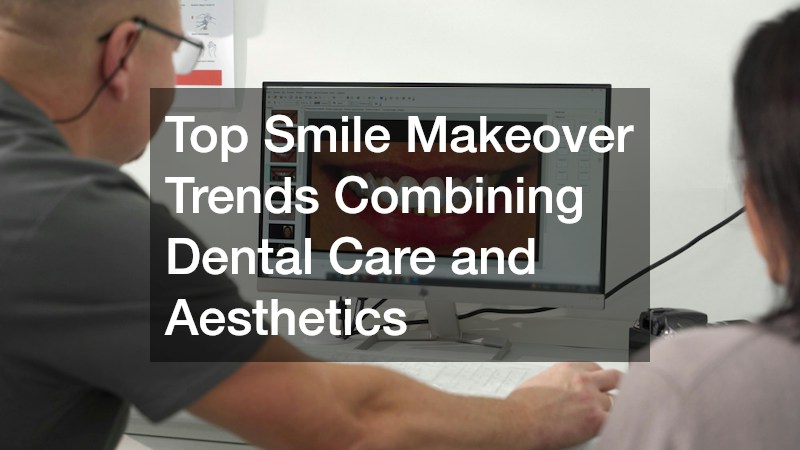
Achieving a truly natural transformation requires understanding how restorative solutions interact with your unique anatomical features. Modern digital design software now allows patients to visualize outcomes before treatment begins, ensuring that every crown, alignment adjustment, and perioral enhancement complements your natural lip line and facial geometry. Whether you are seeking subtle refinements or a complete full-arch restoration, exploring the intersection of modern dental care and facial aesthetics will help you navigate your journey with clarity and confidence.
Finding an Accessible Care Team for Comprehensive Smile Design
Navigating a comprehensive smile makeover begins with selecting a dental care team equipped to handle both routine maintenance and complex multi-phase procedures. Modern treatment plans often require frequent visits spanning several months, making accessibility and advanced clinic technology major factors in your overall experience and final outcome.
When evaluating nearby practices, look beyond basic cleanings to examine the technology integrated into their daily clinical workflows. Advanced imaging equipment, such as 3D cone-beam computed tomography and digital intraoral scanners, dramatically improves diagnostic precision while eliminating the need for uncomfortable traditional putty impressions. A well-coordinated clinical facility should offer seamless communication between hygienists, restorative doctors, and laboratory technicians.
- Evaluate clinic location, parking access, and flexible scheduling options to accommodate multi-step treatment timelines without disrupting your routine work schedule.
- Verify whether the practice uses digital scanning technology and 3D modeling tools to allow interactive digital previews of your proposed treatment plan.
- Choose local dental offices that foster multidisciplinary collaboration, ensuring your preventative hygiene care and specialized aesthetic treatments are managed under one cohesive strategy.
Establishing a solid relationship with a nearby clinical team ensures that your foundational oral health is thoroughly optimized before any major visual enhancements begin.
Permanent Structural Restoration for Missing Teeth
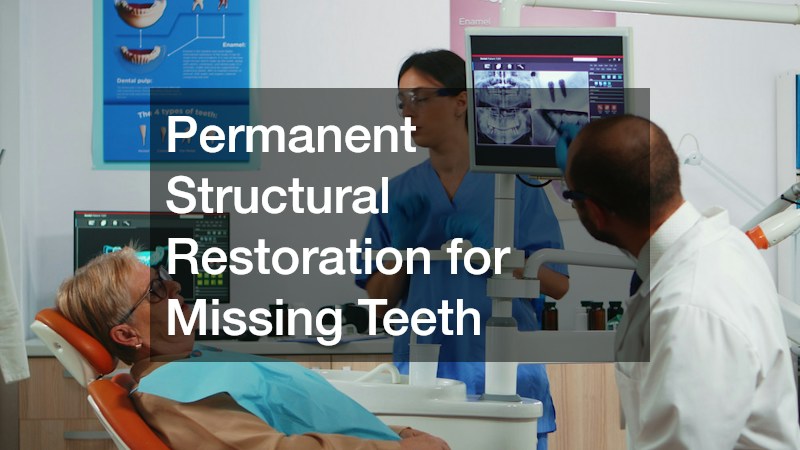
Missing teeth create both functional challenges and structural changes to the surrounding facial tissue. When a tooth is lost, the underlying alveolar bone begins a natural process of resorption, which can cause adjacent teeth to shift, alter your bite alignment, and lead to premature sagging in the lower third of the face.
Modern restorative care prioritizes long-term bone conservation alongside visual aesthetics. Replacing missing teeth with permanent, biocompatible posts anchored directly into the jawbone mimics the function of natural tooth roots. This mechanical stimulation prevents ongoing bone degradation, preserving both the natural contours of your jawline and the stability of surrounding natural teeth.
- Opt for permanent dental implants over traditional fixed bridges when replacing isolated missing teeth to avoid grinding down neighboring healthy enamel.
- Discuss material options such as titanium or full-zirconia posts with your clinician to ensure optimal tissue integration and long-term biocompatibility.
- Inquire about bone grafting and sinus elevation techniques if you have experienced previous bone loss, establishing a stable foundation for your final restorations.
Investing in permanent structural replacements restores complete chewing efficiency while safeguarding your natural facial shape for decades to come.
Evaluating Advanced Clinical Expertise for Complex Makeovers
Selecting the right doctor to guide your transformation is one of the most critical decisions in the smile makeover process. Complex aesthetic reconstructions demand a deep understanding of occlusion, material science, micro-esthetics, and facial symmetry.
Rather than relying solely on general advertising, patients should evaluate a clinician’s specific post-graduate training, certifications, and documented clinical track record. Practitioners who regularly participate in advanced continuing education stay at the forefront of conservative enamel preservation and modern adhesive techniques. Requesting unedited, high-resolution before-and-after photographs of previous patients with similar clinical presentation provides direct insight into a practitioner’s artistic style and technical precision.
- Look for active credentials and accreditations with recognized professional organizations dedicated to cosmetic and restorative excellence.
- Review real case portfolios carefully, observing how natural the tooth shape, color translucency, and gum line margins appear under direct lighting.
- Confirm that the best cosmetic dentist offers comprehensive initial consultations utilizing physical or digital diagnostic mock-ups to test your proposed bite and appearance before finalizing treatment.
Working with an experienced aesthetic practitioner guarantees that your new smile is built on sound biomechanical principles, ensuring beautiful results that stand up to daily wear.
Navigating Regional Specialist Selection and Consultations
The relationship between a patient and their aesthetic clinician should be built on clear communication, shared goals, and mutual trust. Finding a local practitioner allows for convenient, in-person consultation sessions where subtle preferences regarding tooth length, shade, and overall smile character can be explored collaboratively.
During your initial consultation, pay close attention to how thoroughly the doctor listens to your visual goals and addresses your structural concerns. High-end aesthetic work is rarely a one-size-fits-all process; it requires custom shading sessions, trial fittings, and direct coordination with dental ceramic laboratories. Having your provider nearby facilitates quick visits for minor shade adjustments or temporary veneer modifications.
- Schedule face-to-face consultation appointments to assess the clinical environment, support staff responsiveness, and overall patient communication protocols.
- Inquire about the practice’s laboratory partnerships and whether master ceramists are available for custom shade-matching sessions in person.
- Select a local cosmetic dentist who prioritizes conservative treatment planning, preserving as much of your natural tooth structure as possible during preparation.
A close, accessible partnership with your doctor simplifies every phase of treatment, from preliminary diagnostic wax-ups to final polishing and long-term checks.
Clear Aligner Integration for Facial and Dental Symmetry
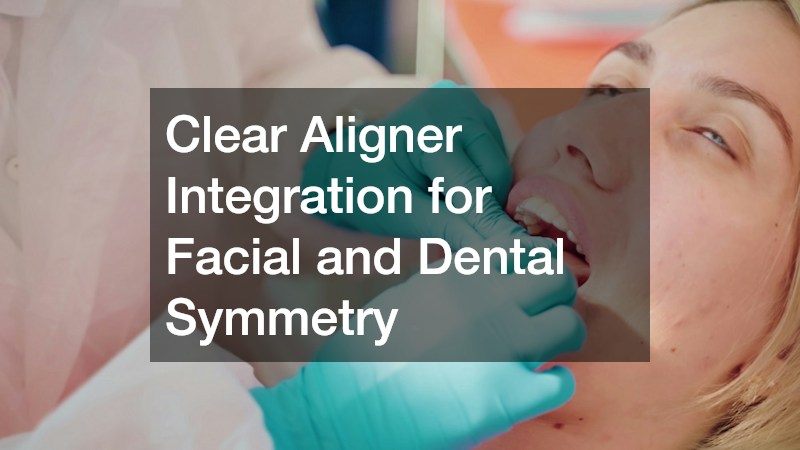
Proper tooth alignment is the foundation of both functional oral health and visual harmony. Attempting to place porcelain veneers or bonding over severely crowded or rotated teeth often requires excessive, irreversible tooth reduction. Straightening the arch beforehand creates an ideal canvas for conservative restorative work.
Modern clear aligner therapy allows adult patients to correct crossbites, overcrowding, and uneven spacing discreetly without traditional metal brackets. By shifting teeth into their anatomically correct positions, aligners improve gum health, make daily hygiene easier, and balance force distribution across the entire bite. Once the teeth are correctly aligned, any subsequent surface restorations can be made significantly thinner and more conservative.
- Consult an experienced invisalign dentist to assess whether clear aligner therapy can optimize your tooth position prior to cosmetic veneer placement.
- Use remote digital tracking tools and progress monitoring apps to minimize unnecessary clinic visits while keeping your alignment trajectory on schedule.
- Ensure you wear retainers as prescribed post-treatment to maintain structural alignment and prevent relapse from altering your final smile symmetry.
Integrating discreet orthodontic alignment into your overall treatment plan leads to longer-lasting restorations and preserves maximum natural enamel.
Comprehensive Rejuvenation Through Integrated Surface Enhancements
Once structural foundation and arch alignment are optimized, surface enhancements focus on refining the color, shape, and micro-texture of individual teeth. Integrated aesthetic treatment strategies often combine professional whitening, minimally invasive composite bonding, and hand-crafted porcelain restorations to produce a cohesive visual outcome.
Modern materials have evolved far beyond opaque, artificially white crowns. Biomimetic ceramics replicate the light reflection, subtle translucency, and slight color gradations found in natural, youthful enamel. Minimal-preparation techniques allow skilled technicians to layer ultra-thin porcelain directly over existing tooth structure, preserving vitality while dramatic enhancements in shape, proportion, and shade are achieved.
- Explore minimal-preparation and no-prep porcelain options within modern cosmetic dentistry to achieve dramatic aesthetic improvements while conserving healthy natural enamel.
- Combine dentist-supervised teeth whitening treatments with targeted composite bonding to repair minor chips and wear cost-effectively.
- Work closely with your clinical team to choose custom tooth shades and surface textures that complement your age, skin undertones, and facial features.
By prioritizing natural translucency and conservative preparation, surface enhancements seamlessly elevate your smile without appearing unnatural or overdone.
Full-Arch Prosthetic Solutions and Removable Support Options
For patients experiencing extensive tooth loss or severe structural breakdown across an entire arch, comprehensive full-arch restoration is essential for rebuilding both oral function and facial proportions. Advanced prosthetic design focuses on restoring the vertical dimension of occlusion—the correct distance between the tip of the nose and the chin when teeth are together.
When full-arch tooth loss occurs, the facial muscle structure loses key support, causing lips to thin and deepening nasolabial folds. Modern full-arch solutions utilize digital CAD/CAM technology to create custom prostheses that restore proper vertical dimension, providing immediate support to surrounding facial tissues. From fixed, implant-supported hybrid bridges to precision-crafted removable appliances, patients can choose options tailored to their functional needs and financial goals.
- Consult a specialized local denture service to explore digital design protocols for custom prostheses that deliver precise fit and natural aesthetic proportions.
- Discuss implant-retained overdentures or fixed hybrid restorations to prevent prosthetic movement during speaking and chewing while stabilizing the underlying jawbone.
- Ensure your full-arch treatment plan includes detailed evaluations of facial height and lip support to revitalize your overall facial profile.
Rebuilding an entire arch with modern prosthetics restores comfortable chewing ability, speech clarity, and essential structural support for the lower face.
Blending Clinical Dentistry with Perioral Aesthetics
A beautiful smile does not exist in isolation; it is framed by the lips, cheeks, chin, and surrounding facial soft tissue. As a result, the latest trend in aesthetic healthcare involves blending clinical dental procedures with non-surgical perioral aesthetic treatments to achieve overall facial balance.
As skin ages, a loss of collagen and subcutaneous fat around the lower face can create fine lines, downturned mouth corners, and loss of lip definition. Addressing these surrounding soft tissue changes alongside your dental treatment creates a smoother transition between your teeth and facial features. Many patients now coordinate their dental care with aesthetic consultations to ensure that perioral enhancements subtlely complement their newly designed teeth.
- Research accredited local med spas that maintain direct clinical communication or shared protocols with dental practitioners for coordinated perioral care.
- Schedule facial aesthetic treatments after completing all major structural dental work and bite adjustments, ensuring soft tissue enhancements are designed around your final tooth position.
- Prioritize subtle, conservative treatments that enhance skin texture, hydration, and natural tissue contouring rather than over-volumizing perioral areas.
Harmonizing your dental restorations with surrounding soft-tissue rejuvenation ensures that your smile transformation looks completely natural from every angle.
Dermal Support for Smile Framing and Wrinkle Reduction

The lips serve as the immediate frame for your teeth, dynamically opening and closing to reveal your smile. Loss of volume, asymmetry, or deep marionette lines around the mouth can distract from beautifully restored teeth. Target soft-tissue volume adjustments can help soften these transitions, framing your new smile gracefully.
Utilizing injectable hyaluronic acid gels allows skilled practitioners to add subtle volume to thinning lips, redefine blurred vermilion borders, and smooth nasolabial folds. When administered with a detailed understanding of dynamic facial anatomy, these treatments complement dental work by restoring youthful contour to the lower face without restricting natural expression or speech movement.
- Select qualified medical injectors who utilize micro-dosed hyaluronic acid fillers to restore natural lip shape and hydrate delicate perioral tissue softly.
- Discuss bio stimulatory injectable options if your primary goal is long-term collagen generation across the lower cheeks and jawline rather than immediate volume addition.
- Ensure your provider evaluates your face both at rest and in active motion—such as laughing, talking, and smiling—to keep your expressions completely natural.
Subtle dermal support around the lower face creates a soft, youthful frame that highlights your newly enhanced teeth.
Post-Treatment Maintenance and Recovery Protocol Strategies
Investing in a smile makeover requires a commitment to long-term preventative care and protective maintenance. The longevity of porcelain veneers, dental implants, composite bonding, and full-arch prostheses depends directly on your daily hygiene habits, lifestyle choices, and ongoing professional oversight.
Following extensive reconstructive or surgical procedures, structured recovery protocols are vital to ensure proper healing and prevent complications. Managing post-operative care effectively requires a combination of gentle home hygiene techniques, specialized maintenance products, and, when necessary, personal physical assistance during the initial recovery period.
- Arrange temporary home care services or family assistance for non-medical support if undergoing extensive full-arch implant surgery requiring post-operative rest.
- Use non-abrasive oral hygiene products, including nano-hydroxyapatite pastes, water flossers, and custom-fitted nightguards to protect restorations against nocturnal teeth grinding.
- Maintain regular biannual professional hygiene visits specifically tailored to cleaning ceramic restorations, maintaining implant tissue health, and monitoring bite alignment.
Establishing a disciplined home maintenance routine and keeping regular professional check-ups ensures your aesthetic investment remains functional and beautiful for a lifetime.
The modern smile makeover has evolved into a comprehensive discipline that seamlessly unites structural dentistry, advanced material science, and soft tissue aesthetics. By treating your teeth and facial features as an interconnected system, contemporary care achieves natural, long-lasting rejuvenations that enhance both function and personal confidence.
Navigating this transformative process successfully relies on clear goals, conservative treatment planning, and working with skilled practitioners who understand the delicate balance of facial harmony. From foundational orthodontic alignment and permanent tooth replacement to custom ceramic craftsmanship and perioral frame refinement, every step of your care should be executed with precision.