
Taking care of your health involves much more than visiting a doctor when something feels wrong. Modern health and wellness care includes a wide range of services designed to support physical function, emotional well-being, appearance, mobility, prevention, recovery, and quality of life. Because there are so many options available, understanding what different professionals and services offer can make it easier to determine which type of support may be appropriate for your individual circumstances.
Some services focus primarily on maintaining physical health, while others address recovery, lifestyle goals, aging, or specific medical concerns. Learning how these options differ can help you approach health decisions with greater confidence. It can also encourage a more proactive approach in which preventive care, healthy habits, and professional guidance all work together.
Supporting Comfortable and Independent Aging
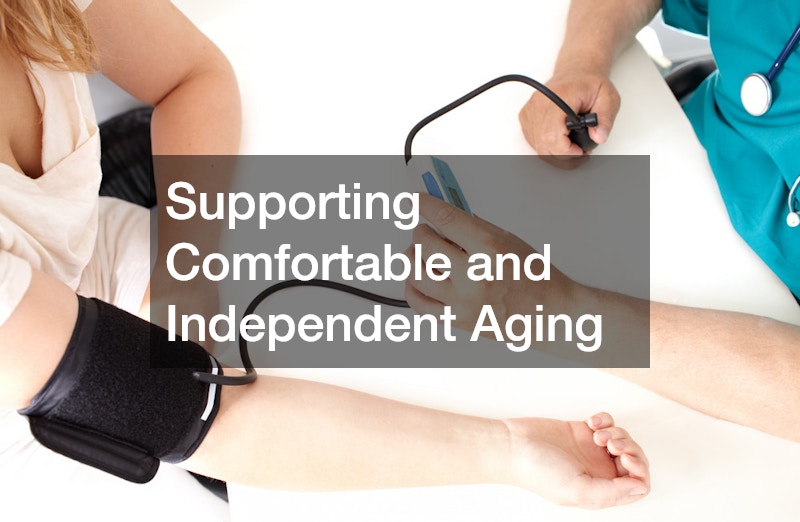
Aging can bring changes in mobility, memory, daily routines, and overall independence. Planning for those changes early can help individuals and families make thoughtful decisions rather than waiting until an urgent situation develops. The right level of support may vary significantly from one person to another, depending on physical abilities, health needs, personal preferences, and available family assistance.
For some older adults, assisted living communities can provide an environment where residents maintain as much independence as possible while receiving help with certain daily activities. These communities may offer assistance with routines such as meals, housekeeping, transportation, or personal care, depending on the services provided. Social activities and opportunities for interaction can also be important because maintaining meaningful connections can contribute to overall quality of life.
When considering senior living options, families should look beyond appearances and promotional materials. Important considerations may include:
- The types of assistance available
- Staff availability and qualifications
- Dining and activity options
- Transportation services
- Safety features
- Private and shared living arrangements
- Policies regarding changing care needs
- Costs and what is included
Visiting potential locations and asking detailed questions can help families determine whether an environment is a good fit. It is also helpful to consider how needs could change over time rather than evaluating an option solely according to current circumstances.
Approaching Weight Management With a Comprehensive Plan
Weight management is often presented as a simple matter of eating less and exercising more, but individual circumstances can make achieving and maintaining a healthy weight considerably more complicated. Genetics, medications, sleep, stress, activity levels, eating patterns, underlying health conditions, and other factors may all influence weight.
For people who have struggled to reach their goals through lifestyle changes alone, weight loss treatments may provide additional options under appropriate professional supervision. Depending on an individual’s circumstances, treatment may involve nutritional counseling, behavior modification, physical activity recommendations, medications, or other approaches. A qualified healthcare professional can help determine whether a particular strategy is appropriate.
A responsible weight-management plan should focus on sustainable health rather than unrealistic short-term results. Before beginning a program, individuals should consider:
- Whether the approach is medically appropriate
- What changes are expected in daily routines
- Potential side effects or risks
- How progress will be monitored
- Whether nutritional needs will be addressed
- What happens after the initial goal is reached
The most effective approach is often one that can realistically become part of a person’s long-term lifestyle. Regular communication with qualified professionals can also make it easier to identify challenges and adjust the plan when circumstances change.
Understanding the Role of Chiropractic Care
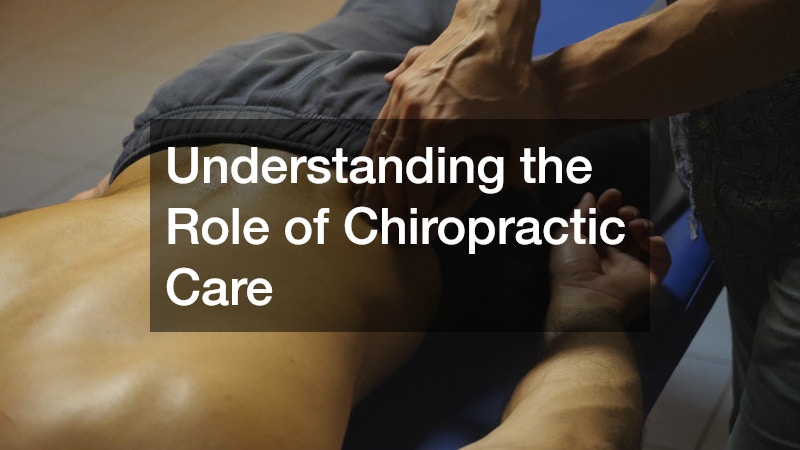
Musculoskeletal discomfort can affect nearly every part of daily life. Back, neck, joint, and movement-related concerns may make sitting, working, exercising, or completing ordinary household activities more difficult. When these problems persist, professional evaluation can help determine what may be contributing to the discomfort and what types of care may be appropriate.
A chiropractor focuses on the relationship between the body’s structure and movement, particularly the musculoskeletal system. Depending on their training and scope of practice, chiropractic professionals may use hands-on techniques, exercise recommendations, lifestyle guidance, and other approaches to address certain musculoskeletal concerns.
People considering chiropractic care should communicate openly about their symptoms, medical history, medications, previous injuries, and other relevant circumstances. This information can help the practitioner determine whether chiropractic treatment is appropriate or whether another healthcare professional should be involved.
It is also important to understand that chiropractic care is not a universal solution for every type of pain or medical condition. Persistent, severe, or unexplained symptoms may require evaluation by a physician or another qualified healthcare provider. Coordinated care can be especially valuable when several factors contribute to a person’s discomfort.
Knowing When Specialized Treatment May Be Appropriate
Some health concerns require more focused support than routine appointments can provide. A treatment center may offer structured services for individuals dealing with specific medical, behavioral, physical, or substance-related challenges. The type of care available can vary substantially depending on the facility’s specialization.
Choosing the appropriate setting begins with identifying the nature of the concern and the level of support required. Some programs may provide outpatient services, while others offer more intensive or residential arrangements. Duration can also vary depending on individual needs and treatment goals.
When evaluating a specialized facility, consider asking about:
- Professional credentials and qualifications
- Types of conditions or concerns treated
- Treatment methods used
- Whether individualized plans are provided
- Length and structure of programs
- Family involvement
- Follow-up services
- Insurance and payment requirements
- Emergency procedures
A good treatment environment should provide clear information about what participants can expect. Individuals and families should feel comfortable asking questions before making a commitment. Understanding the process in advance can reduce uncertainty and help ensure that the selected service matches the person’s needs.
Adding Movement and Mindful Exercise to a Wellness Routine
Exercise does not have to mean high-intensity workouts or spending hours in a traditional gym. Many people benefit from activities that combine controlled movement, flexibility, balance, strength, and body awareness. Choosing an activity that feels manageable and enjoyable can make maintaining a consistent routine easier.
A local pilates studio can be an option for individuals interested in structured movement and mindful exercise. Pilates commonly emphasizes controlled movements, core strength, posture, flexibility, and body awareness. Classes may vary in intensity and format, so beginners should communicate their experience level and any physical limitations to the instructor.
When starting a new exercise program, gradual progression is generally more practical than attempting advanced movements immediately. Individuals should also pay attention to how their bodies respond during and after exercise.
A balanced movement routine may include:
- Strength-building activities
- Flexibility exercises
- Cardiovascular activity
- Balance training
- Mobility work
- Rest and recovery
Consistency matters more than choosing the most demanding workout available. A sustainable routine can provide meaningful benefits while leaving room for rest, recovery, and other aspects of a healthy lifestyle.
Improving Mobility After Injury or Physical Limitations
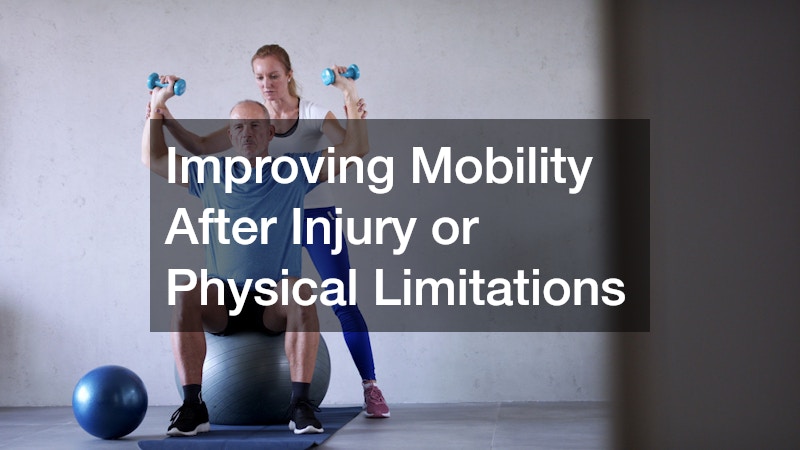
Injuries, surgeries, chronic conditions, and age-related changes can affect the way a person moves. Reduced mobility may make ordinary activities more difficult and can sometimes lead people to avoid movement altogether. Appropriate rehabilitation can help individuals work toward improved function while addressing the factors contributing to limitations.
Physical therapy services are designed to help people improve movement, strength, flexibility, balance, and functional ability. A physical therapist may evaluate how a person moves and develop an individualized plan based on specific goals. Treatment may include therapeutic exercises, manual techniques, stretching, balance activities, and education about movement.
Rehabilitation is often a gradual process. Progress may involve small improvements rather than immediate changes, particularly after a significant injury or procedure. Following the recommended program consistently can support the recovery process.
Patients can make rehabilitation more productive by:
- Following exercise instructions carefully
- Communicating changes in symptoms
- Attending scheduled appointments
- Asking questions about unfamiliar exercises
- Practicing recommended movements at home
- Avoiding activities that have not been cleared
- Discussing barriers that interfere with the plan
The ultimate goal is not simply completing exercises during appointments. Effective rehabilitation should help individuals transfer improved strength and movement into everyday activities.
Exploring Cosmetic Skin Care Options
Skin changes are a natural part of aging, but many people seek professional services to address concerns involving texture, tone, or the appearance of certain imperfections. Cosmetic procedures range from minimally invasive options to more extensive treatments, making it important to understand what a service can realistically accomplish before scheduling an appointment.
Micro needling is one procedure used to create controlled microscopic punctures in the skin. This process is intended to stimulate the body’s natural healing response and may be used to address certain concerns involving skin texture or appearance. Results and suitability can vary based on skin type, individual concerns, treatment technique, and other factors.
Anyone considering a cosmetic procedure should have a detailed consultation beforehand. Questions may include:
- What concern is the procedure designed to address?
- Who is qualified to perform it?
- What preparation is required?
- How long might recovery take?
- What temporary effects are common?
- How many treatments may be recommended?
- What results are realistic?
Professional evaluation is especially important for people with existing skin conditions or other circumstances that could affect healing. A qualified provider can explain whether a particular procedure is appropriate and provide aftercare instructions designed to support the best possible outcome.
Using Massage as Part of Recovery and Relaxation
Muscle tension can develop from exercise, repetitive activities, prolonged sitting, physically demanding work, stress, or other factors. Massage is one approach some people use to promote relaxation and address areas of muscular tightness. Different techniques are designed for different purposes, so selecting the right approach can make a difference.
Deep tissue massages generally use more focused pressure to address deeper layers of muscle and connective tissue. Some people seek this type of massage for areas of persistent muscular tension or after physically demanding activities. However, deeper pressure is not necessarily better for everyone.
Communication with the massage professional is important throughout the appointment. Individuals should explain areas of concern, previous injuries, sensitivities, and their preferred pressure level. Discomfort that feels excessive should not simply be tolerated because a massage is expected to be intense.
Massage may be incorporated into a broader wellness routine alongside other healthy habits. Adequate sleep, hydration, appropriate physical activity, stretching, and rest can all contribute to recovery and general well-being. Massage should complement, rather than replace, appropriate medical evaluation when symptoms indicate a potentially serious problem.
Maintaining Oral Health Through Preventive Care

Oral health is closely connected to overall health and daily quality of life. Problems involving teeth and gums can affect eating, speaking, comfort, and confidence, while untreated dental issues may become more complicated over time. Regular preventive care can help identify concerns before they require more extensive treatment.
A general dentist can provide routine services designed to maintain oral health and identify potential problems. Depending on the practice, appointments may include examinations, cleanings, dental X-rays, fillings, preventive guidance, and other common services.
Good oral hygiene between appointments remains an important part of prevention. A daily routine can include:
- Brushing teeth with fluoride toothpaste
- Cleaning between teeth regularly
- Limiting frequent sugary foods and drinks
- Replacing worn toothbrushes
- Wearing appropriate protective equipment during certain activities
- Keeping regular dental appointments
Patients should also mention changes such as tooth sensitivity, bleeding gums, persistent discomfort, sores, or changes in the appearance of the mouth. Early communication gives dental professionals an opportunity to investigate concerns and recommend appropriate care.
Planning Compassionate Support for Memory-Related Needs
Memory changes can be challenging for individuals and families, particularly when they begin to interfere with safety, communication, personal care, or everyday responsibilities. Conditions affecting memory can progress differently from one person to another, making individualized planning especially important.
Alzheimer care can include a range of supportive services designed around a person’s changing cognitive and daily needs. Depending on the setting, support may involve assistance with personal routines, meals, medication management, activities, supervision, and communication. The objective is to provide a safe and supportive environment while preserving dignity and independence whenever possible.
Families should consider both current needs and potential future changes when evaluating care options. Important questions may include:
- How are changes in cognitive function monitored?
- What level of supervision is available?
- How are medications handled?
- What activities are offered?
- How does staff communicate with family members?
- What happens if care needs increase?
- How are emergencies handled?
Planning ahead can give families more time to compare options and discuss preferences with loved ones. It can also reduce the pressure associated with making major decisions during a crisis. Above all, care should respect the individual’s dignity, routines, preferences, and changing abilities.
Health and wellness are highly individual, and there is rarely one solution that works for everyone. Different stages of life and different circumstances may call for different types of professional guidance, preventive services, rehabilitation, lifestyle support, or specialized care.
The best decisions typically begin with understanding what a service actually provides, determining whether it aligns with a person’s needs, and asking qualified professionals appropriate questions. Taking a thoughtful approach can make it easier to distinguish between options, establish realistic expectations, and build a plan that supports long-term well-being.
Whether the goal is maintaining independence, improving physical function, supporting healthy habits, addressing a specific concern, or helping a loved one navigate changing needs, informed choices can make the process more manageable. By viewing health as an ongoing process rather than a single appointment or treatment, individuals can take meaningful steps toward a healthier and more supported future.