Modern dental care is no longer built around one-size-fits-all solutions. As people move through different stages of life, their oral health needs change in meaningful ways. A truly patient-focused approach recognizes these shifts and adapts care accordingly, prioritizing prevention, comfort, education, and long-term outcomes rather than isolated treatments.
From early childhood through adulthood and into later years, dental care must evolve alongside physical development, lifestyle changes, and health considerations. A patient-focused practice places equal value on listening, planning, and coordination, ensuring that each individual receives care aligned with their current needs while preparing for future ones. This approach helps patients feel supported, informed, and confident in their care decisions over time.
Creating Personalized Care Plans for Every Stage of Life
A patient-centered approach begins with personalization. Every individual brings a unique combination of health history, goals, and concerns, and an effective dental office builds care plans around those factors rather than relying on generic treatment paths.
Personalized care involves more than selecting procedures. It includes understanding lifestyle habits, aesthetic preferences, and long-term priorities. In a cosmetic dental office, this often means balancing appearance-related goals with structural health and durability. For example, a patient interested in improving their smile may also need guidance on protecting enamel, supporting gum health, or preventing future wear that could compromise results.
Key elements of a personalized care plan include:
-
A thorough review of medical and dental history, including medications, past procedures, and chronic conditions that may influence treatment decisions.
-
Open discussion about short-term concerns and long-term goals, allowing providers to align care with both immediate needs and future expectations.
-
Flexible treatment timelines that accommodate life changes, such as pregnancy, travel, financial planning, or evolving health priorities.
-
Preventive strategies tailored to individual risk factors, including grinding, clenching, gum sensitivity, or a history of cavities.
Personalization also extends to communication style and education. Some patients prefer detailed explanations and visual aids, while others want concise guidance and clear next steps. Adjusting how information is delivered helps patients feel more comfortable and confident in their decisions. Additionally, personalized follow-up plans—such as customized hygiene routines or recall schedules—can improve long-term outcomes by addressing specific vulnerabilities before they become larger issues.
Patients can support this process by actively participating in conversations about their needs. Sharing concerns, asking questions, and discussing future expectations help providers adjust care as circumstances change. Bringing up lifestyle habits, stress levels, or past dental experiences can also offer valuable context. When personalization is prioritized, treatment becomes more efficient, more effective, and better aligned with the patient’s daily life, leading to stronger trust and more sustainable oral health results over time.
Supporting Children’s Oral Health From the Start
Early dental experiences shape how children view oral health for the rest of their lives. A patient-focused practice emphasizes comfort, education, and prevention, helping children develop positive associations with dental care. When children feel safe and respected during visits, they’re more likely to carry those positive feelings into adulthood rather than developing fear or avoidance.
A pediatric dentist is trained to address the unique developmental needs of children, from early tooth eruption through adolescence. This includes monitoring growth patterns, teaching proper hygiene techniques, and identifying potential concerns early. Just as important, these providers are skilled in communicating with children at different developmental stages, using language and techniques that reduce stress and build trust. Creating a calm, welcoming environment allows children to feel more in control and engaged during appointments.
Effective early-care strategies include:
-
Gentle, age-appropriate cleanings and exams that introduce tools and procedures slowly to avoid overwhelming young patients.
-
Education for parents on brushing, flossing, and diet, helping families reinforce healthy habits at home between visits.
-
Monitoring spacing, bite alignment, and enamel health to identify concerns that may benefit from early intervention.
-
Reinforcing routines through encouragement rather than fear, using praise and positive reinforcement to build confidence.
Patient-focused practices also recognize that children’s needs extend beyond the dental chair. Scheduling flexibility, clear explanations for parents, and consistent care teams all contribute to a sense of familiarity and security. Over time, this consistency helps children understand that dental visits are a normal and beneficial part of staying healthy.
When care is coordinated with broader wellness support, such as childrens health associates, children benefit from a more holistic approach. Collaboration ensures that oral health considerations align with overall growth, nutrition, and development. This coordinated care model supports early detection of issues, reinforces healthy routines across healthcare settings, and strengthens communication between providers and families. Consistency and reassurance help reduce anxiety, encourage cooperation, and establish habits that protect oral health well into adulthood.
Adapting Preventive Care as Patients Grow Older
Preventive dental care does not remain static over time. As patients age, risk factors shift, and preventive strategies must adjust accordingly. A patient-focused dental office regularly reassesses these needs to maintain oral health across changing life stages. This ongoing evaluation allows providers to anticipate concerns rather than respond only after problems develop, supporting long-term comfort and function.
For adolescents and adults, prevention may focus on:
-
Monitoring enamel wear and bite changes, especially as orthodontic history, jaw development, or tooth movement can alter alignment over time.
-
Identifying early signs of gum disease, such as inflammation or bleeding, before bone loss or chronic infection occurs.
-
Addressing stress-related habits like clenching or grinding, which often increase during periods of work pressure, life transitions, or poor sleep.
-
Adjusting hygiene routines as dexterity or sensitivity changes, ensuring brushing and flossing techniques remain effective without causing discomfort.
As patients move into later adulthood, preventive care may also include managing dry mouth related to medications, monitoring existing restorations, and protecting exposed root surfaces. These adjustments help preserve natural teeth and reduce the risk of decay or infection.
Patients can take an active role in adapting preventive care by:
-
Asking how aging or lifestyle changes may affect oral health, including diet, medications, or medical conditions.
-
Reporting symptoms early, even if they seem minor, such as sensitivity, jaw discomfort, or changes in bite.
-
Staying consistent with routine visits and cleanings, allowing providers to track changes over time rather than starting from scratch at each appointment.
A collaborative approach between patient and provider strengthens prevention efforts. When care plans evolve alongside life changes, patients are better equipped to manage risks proactively. Ongoing evaluation ensures that prevention remains proactive rather than reactive, reducing the likelihood of complex treatments later in life and supporting a healthier, more comfortable smile for years to come.
Addressing Alignment and Bite Concerns Without Disrupting Daily Life
Alignment concerns do not disappear after adolescence. Many adults seek solutions that fit seamlessly into busy schedules without drawing attention. Modern orthodontic options make it possible to address bite and spacing issues discreetly while supporting long-term oral health.
Invisalign allows patients to correct alignment concerns using clear, removable aligners designed to integrate into daily routines. This flexibility supports both oral health and lifestyle demands, making treatment more accessible for adults who may have avoided traditional braces in the past. Because the aligners are removable, patients can continue enjoying their usual diet and maintain familiar hygiene routines with minimal disruption.
Beyond appearance, improved alignment can reduce uneven tooth wear, ease jaw strain, and make brushing and flossing more effective. Proper spacing and bite balance also lower the risk of future restorative needs by minimizing stress on individual teeth. These functional benefits often motivate adults who are focused on preserving their natural teeth over time.
Practical tips for successful alignment treatment include:
-
Wearing aligners consistently as directed, typically twenty to twenty-two hours per day, to keep progress on schedule.
-
Maintaining excellent oral hygiene between aligner changes, brushing and flossing after meals to prevent trapped debris.
-
Cleaning aligners regularly to prevent buildup, using approved cleaning methods rather than harsh chemicals or heat.
-
Communicating discomfort or fit concerns promptly, allowing adjustments before small issues affect progress.
Patients can further support success by planning aligner changes around travel or major events and keeping replacement trays on hand when possible. A patient-focused approach ensures that treatment plans respect work, social, and family commitments while still delivering effective results. With clear expectations and consistent follow-through, adults can achieve meaningful alignment improvements without sacrificing comfort or confidence.
Restoring Strength and Function With Long-Term Solutions
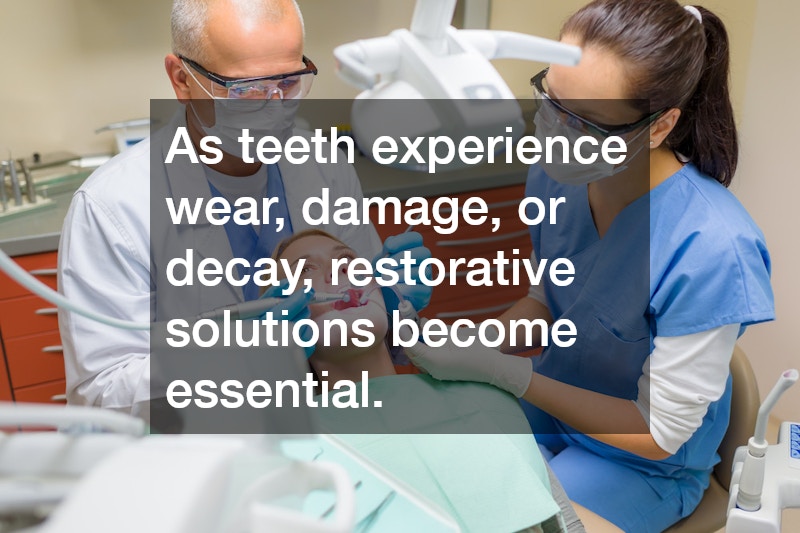
As teeth experience wear, damage, or decay, restorative solutions become essential. Dental crowns are commonly used to reinforce compromised teeth while preserving natural structure and appearance.
A patient-centered provider carefully evaluates whether restoration is the most appropriate option and selects materials based on durability, aesthetics, and function.
Patients considering restorative care should understand:
-
Why a tooth requires reinforcement
-
How the restoration will affect chewing and comfort
-
What maintenance is required for long-term success
After placement, patients can extend the life of restorations by:
-
Avoiding excessive force or grinding
-
Maintaining consistent hygiene routines
-
Scheduling regular evaluations to monitor wear
Thoughtful restorative planning supports both immediate needs and long-term oral health stability.
Responding Quickly and Calmly to Unexpected Dental Issues
Dental emergencies often arise without warning, creating stress and uncertainty. A patient-focused practice prioritizes preparedness, ensuring patients know how to respond when urgent issues occur.
An emergency dentist plays a critical role in minimizing damage and discomfort. Prompt care can prevent complications and reduce recovery time.
Common emergencies include:
-
Severe tooth pain or swelling
-
Broken or dislodged teeth
-
Infections requiring immediate attention
Patients can prepare by:
-
Knowing whom to contact during urgent situations
-
Avoiding temporary fixes that may worsen damage
-
Seeking care early rather than waiting for symptoms to escalate
Clear communication and established care relationships improve outcomes during unexpected events.
Supporting Emotional Well-Being Alongside Dental Care
Oral health is closely linked to emotional well-being. Anxiety, stress, and past experiences can significantly affect how patients approach dental care. A patient-focused model recognizes these connections and offers support beyond clinical treatment.
Collaboration with services such as family counseling or a local therapist can help patients address dental anxiety, stress-related habits, or fear associated with past procedures.
Strategies that support emotional comfort include:
-
Open discussions about fears or concerns
-
Relaxation techniques before appointments
-
Gradual treatment plans for anxious patients
-
Clear explanations to reduce uncertainty
When emotional needs are acknowledged, patients are more likely to engage consistently in care and maintain healthier habits, especially when support from a local therapist is part of a broader approach to overall well-being.
Helping Families Navigate Coverage and Financial Planning
Understanding coverage and costs is a critical component of patient-focused care. Financial uncertainty can delay treatment or discourage preventive visits, ultimately affecting long-term health.
A health insurance broker can help families understand benefits, limitations, and planning options. When financial guidance is part of the care experience, patients feel more confident moving forward with recommended treatment.
Helpful financial planning steps include:
-
Reviewing coverage before treatment begins
-
Asking for written estimates and timelines
-
Exploring phased treatment options when appropriate
-
Planning ahead for future needs rather than reacting to emergencies
Transparency and education empower patients to make informed decisions without unnecessary stress.
Building Long-Term Trust Through Communication and Continuity
Trust is built over time through consistency, communication, and shared decision-making. A cosmetic dental office that emphasizes continuity of care allows providers to track changes, anticipate needs, and refine treatment plans as patients’ goals evolve.
Long-term relationships support:
-
More accurate diagnosis through historical insight
-
Better alignment between aesthetic and functional goals
-
Increased patient confidence and satisfaction
Patients contribute to continuity by:
-
Keeping records of past treatments
-
Communicating changes in health or preferences
-
Staying engaged in follow-up care
When trust and communication are prioritized, dental care becomes a collaborative process rather than a series of isolated visits.
A patient-focused approach to dental care recognizes that oral health is not static—it evolves alongside physical development, lifestyle changes, and emotional well-being. By emphasizing personalization, prevention, education, and coordination, modern dental care adapts to changing needs at every stage of life. Patients who engage actively in their care, communicate openly, and plan ahead benefit from stronger outcomes and greater confidence.
This approach also reinforces the idea that dental care is a collaborative process. Providers and patients work together to anticipate challenges, adjust strategies, and make informed decisions that align with long-term goals. Regular reassessments help ensure that care plans remain relevant as circumstances shift, whether due to aging, stress, health changes, or evolving priorities. Over time, this flexibility reduces the likelihood of unexpected issues and supports steadier oral health.
Thoughtful dental care extends beyond procedures, supporting comfort, understanding, and long-term wellness. Education empowers patients to recognize early warning signs, maintain effective home routines, and seek care proactively rather than reactively. A supportive environment encourages questions and reduces anxiety, making it easier for individuals to stay consistent with visits and follow recommendations.
When care is designed around the individual rather than the treatment alone, oral health becomes a sustainable part of overall quality of life. Patients are better equipped to protect their smiles, preserve function, and feel confident in their care choices. This continuity fosters trust, strengthens relationships, and helps ensure that oral health remains a positive and manageable part of everyday living.